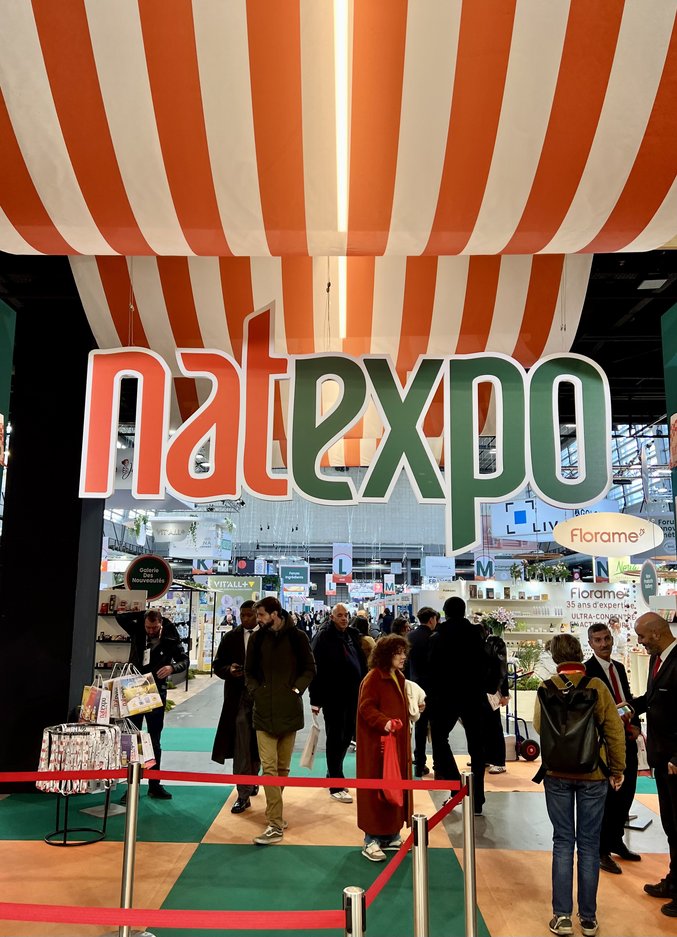
Each edition of Natexpo offers a snapshot of the organic sector and, more broadly, of eco-responsible products. More than a simple trade show, it acts as a space for observing ongoing transformations. The edition held this year in Paris, at Porte de Versailles, confirmed several dynamics that have been visible over recent years. These concern the nature of products, how they are made, and how they are used.
Natexpo: origins and organisation
Created in the early 2000s, at a time when the organic market was beginning to take shape in France, Natexpo was initially designed as a professional meeting point for stakeholders engaged in organic food. Over the years, the trade show has accompanied the sector’s rise. Its development mirrors that of organic food itself, which has moved from a niche market to an established segment of the agri-food industry.
For several editions now, Natexpo has alternated between Paris and Lyon. This alternation makes it possible to reach different economic and professional areas while maintaining a national and European scope. Paris (Porte de Versailles), offers international and institutional visibility. Lyon (Eurexpo), historically linked to agricultural and food supply chains, provides a closer connection to production regions. This organisation helps make Natexpo a structuring meeting point for the entire organic ecosystem.
Natexpo as a structuring event for organic supply chains
Each year, Natexpo brings together producers, processors, brands and distributors committed to organic food. Both long-established players and younger structures can be found there. The trade show covers a wide range of topics, including food, beverages, ingredients, packaging, logistics and related services.
What stands out is the growing maturity of the sector. Discussions no longer focus solely on organic certification. They increasingly address the overall coherence of products, from agricultural production through to final use. Questions of volume, supply consistency and pricing are discussed more directly than in the past. This reflects a gradual shift of organic food towards more established markets.
Increased focus on formats and uses
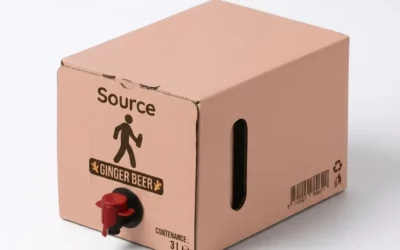
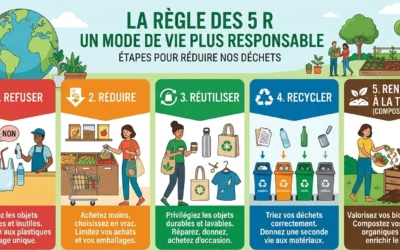
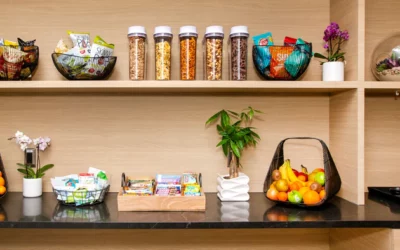
As visitors move through the stands, one trend clearly emerges: format matters as much as the product itself. Bulk solutions, refillable containers and approaches aimed at reducing waste are widely represented. This orientation responds to very practical constraints, particularly those related to packaging management, storage and logistics.
In professional working environments, these issues take on a specific importance. The volumes consumed are higher than in a domestic context. Format choices therefore have a direct impact on the amount of waste generated and on internal organisation. Natexpo shows that these topics are no longer peripheral. They are now fully integrated into product design thinking.

Snacking seen as a good daily habit
Snacking occupies a visible place at the trade show. It is no longer presented as an occasional option, but as a normal component of everyday eating. The products on display are designed to fit into regular consumption patterns, with simple recipes.
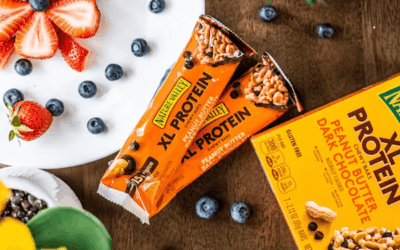
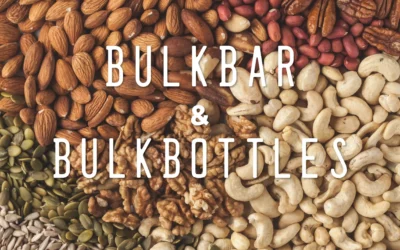
Dried fruits, nuts and whole grains are particularly prominent. There is a clear intention to limit unnecessary ingredients and excessive processing. The granolas and grain mixes presented offer a healthier option compared with heavily processed industrial products. The same applies to the roasted nut mixes highlighted at the show, which provide a more balanced response than overly packaged, fatty and salty snacks.
Fermented drinks gaining a lasting foothold
Another notable development at Natexpo is the growing presence of fermented drinks. Kombucha and kefir are no longer confined to a handful of specialised stands. They appear in various forms, with simpler recipes and clearer positioning.
These drinks are often presented as substitutes for traditional soft drinks. Their success is based both on their nutritional profile and on their more natural image.
What Natexpo says about the relationship between food and work
Many conversations heard during the trade show resonate with the world of work. Food is no longer thought of solely in relation to the home. Professional uses increasingly influence the range of organic products available.
The notion of well-being at work appears regularly in discussions and underpins many innovations.
In this context, the food offering in the workplace becomes as much an organisational issue as a nutritional one. Products need to be easy to consume, without complex preparation, while also limiting the amount of waste generated.
The choices made by companies have a direct impact on employees’ daily experience. They influence habits, the perception of the working environment and, more broadly, how teams feel at work.
Conclusion
For players in workplace snacking, such as BulkBar, attending Natexpo is primarily part of a monitoring and observation approach. The aim is to exchange with partners, understand how expectations are evolving and anticipate future uses.
For companies, these developments raise practical questions about how food fits into the workplace.
Our visit to Natexpo above all made it possible to step back. The trade show offers an overall view of ongoing changes in organic and sustainable food. It highlights trends that go beyond short-lived fashions and become anchored in everyday practices.
Published on 23/12/2025