Greenwashing has become a central issue in corporate CSR strategies. Over the past few years, both consumers and employees have grown more attentive to brands’ environmental commitments. Regulators, too, are increasingly vigilant about questionable green marketing practices.
Greenwashing: A Practice That Has Become Widespread
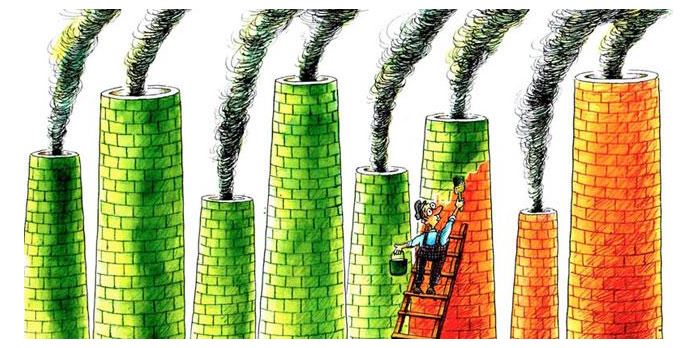
The term greenwashing refers to a communication strategy that gives a company, product, or service a misleading environmentally friendly image.
The phenomenon isn’t new. But it has grown significantly alongside rising environmental concerns. Today, words like “sustainable,” “natural,” “responsible,” or “zero-waste” appear everywhere. Yet these terms often remain vague or loosely regulated.
According to the French Agency for Ecological Transition (ADEME), greenwashing can take several forms. A brand may highlight a minor ecological detail while staying silent on the overall impact of its activities. It may also use natural imagery or ambiguous wording to shape public perception.
Why Companies Should Be Worried About Greenwashing
Greenwashing isn’t just an image problem. It also undermines the trust of employees, customers, and partners.
In a modern workplace, employees place growing importance on the consistency of their company’s commitments. Workplace wellbeing is no longer limited to office comfort. It now also includes choices related to health, nutrition, and environmental responsibility.
When a company communicates heavily about sustainability without taking concrete action, teams can sense the disconnect. This inconsistency often breeds distrust.
The issue also affects recruitment. Young talent increasingly researches employers’ CSR policies before applying. Communication perceived as misleading can hurt a company’s appeal.
From a regulatory standpoint, European authorities are also stepping up their scrutiny. The European Union is currently working on rules to limit unverified environmental claims.

How to Recognize a Genuinely Sustainable Approach
A consistent sustainability policy is generally built on several complementary dimensions.
Transparent Information
Serious companies clearly explain their choices. They communicate about product origins, certifications, the limits of their approach, and their future goals.
Vague wording should raise a red flag. Phrases like “good for the planet” or “ethical product” mean little without concrete data behind them.
A Holistic Approach Rather Than an Isolated Claim
A genuinely committed company takes a holistic view of its environmental efforts, rather than focusing on a single aspect. This can involve packaging, suppliers, waste, energy consumption, or nutritional quality.
Consistency with Workplace Well-being
The most credible sustainability efforts also take employee health into account.
Numerous studies show that a balanced diet affects concentration, energy, and productivity. A publication by the Harvard T.H. Chan School of Public Health notably highlights the link between healthy eating and cognitive performance.
This helps explain why some companies are rethinking their snack offerings and gradually reducing ultra-processed products.

Toward More Critical, Better-Informed Consumption
In the coming years, companies will need to back up their environmental commitments with more than words. Employees, customers, and partners will increasingly demand concrete evidence rather than slogans.
This shift is pushing organizations to build more coherent, longer-term sustainability strategies.
Greenwashing, then, isn’t just a communication problem. It also points to a deeper question: how can growth, marketing, and environmental responsibility be reconciled in a sincere and measurable way?
Published on 17/07/2026