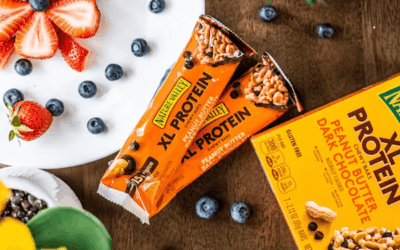
The evolution of workplace environments continues to redefine the concept of employee services. Among these changes, the concept of “free food” has become a major trend in European offices. This practice consists of providing free snacks and beverages within the workplace.
Once viewed as a simple marketing gimmick used to attract young graduates, this service has now become a genuine human resources management tool. It addresses public health concerns, economic performance and social engagement. This article explores the foundations of this practice and its real impact on organizational life.
Why is free food becoming the new standard in European offices
The corporate world has been going through a deep transformation for several years. Employee expectations are no longer limited to financial compensation alone. Workplace well-being has become a central concern. In this context, the traditional coffee break is giving way to more sophisticated social spaces. Free food fits perfectly into this desire to offer a stimulating environment that respects the physiological needs of teams.
Historically, this practice originated on Silicon Valley tech campuses. Today, it is becoming increasingly popular in Belgium, Luxembourg and major European cities such as Paris and Lille. Business leaders see it as a way to strengthen their employer brand. Offering healthy snacks at the office is no longer a luxury reserved for tech giants. It is a strong signal sent to employees about their importance within the organization.

Food and productivity at work: what does science say
Nutritional science has established a close connection between what we eat and our cognitive abilities. An unsuitable diet can trigger blood sugar spikes followed by sudden energy crashes. These fluctuations reduce concentration and increase stress levels among workers. By offering alternatives to traditional vending machines and their contents, companies directly influence the performance of their teams.
Dried fruits and nuts are excellent sources of nutrients for the brain. They provide essential fatty acids and fiber that help stabilize blood sugar levels over time. Unlike processed products, these natural snacks support steady energy throughout the workday. Magnesium found in certain cereals also helps regulate mental fatigue. A well-designed free food policy should therefore prioritize natural and minimally processed products to maximize these health benefits.
How does shared snacking strengthen team cohesion at work
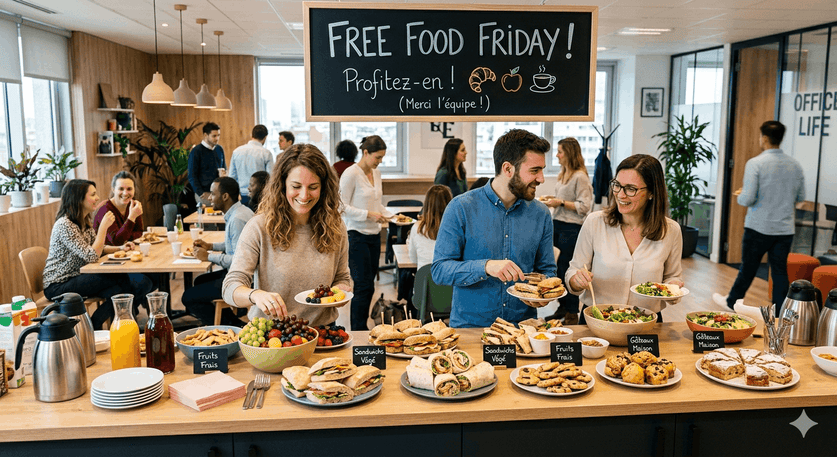
Beyond the nutritional aspect, sharing food has an ancient social dimension. In a professional setting, the snack area becomes a place for informal interactions. This is where barriers between departments naturally disappear. An employee from the accounting department may chat with a creative team member around the coffee machine or near a dried fruit station. These spontaneous interactions encourage serendipity and the emergence of innovative ideas.
Free food not only strengthens conviviality but also humanizes hierarchical relationships. It creates a sense of belonging and mutual recognition. Companies that invest in these shared moments often observe lower absenteeism linked to disengagement. Food then becomes a form of nonverbal communication. It expresses management’s care for everyone’s daily comfort. This warm atmosphere is a major advantage for retaining talent in a competitive labor market.
Free food and CSR: how to choose eco-responsible workplace snacking
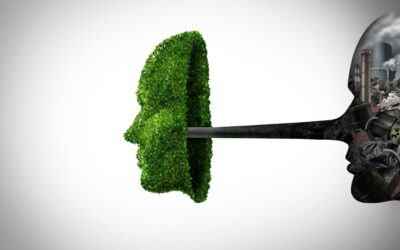
Integrating free food into a CSR strategy has become a major consideration for procurement teams. Companies now seek to align their internal services with their ethical values. Offering snacks is one thing, doing so responsibly is another. Managing waste generated by individual packaging represents a significant environmental challenge for facility management departments.
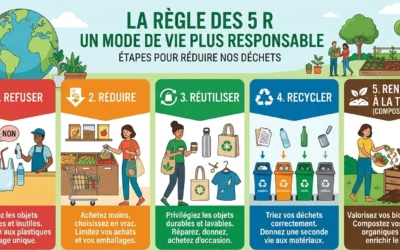
This is where sustainability takes on its full meaning in office supply strategies. Switching to zero-waste distribution systems can significantly reduce an organization’s plastic footprint. Choosing products from organic farming also strengthens the positive impact on biodiversity. This broader zero-waste approach strongly resonates with employees who are sensitive to climate issues. They appreciate employers who go beyond speeches and take concrete action within the workplace itself.
Drinks at work: what are the healthy alternatives to sodas
The beverage offering in companies is also undergoing a silent revolution. While coffee remains the undisputed staple of office life, new healthy alternatives are emerging. Employees are increasingly looking to reduce their consumption of sugar and caffeine. Traditional sodas, often rich in additives, are gradually being replaced by more natural and functional beverages.
Fermented drinks such as kefir and kombucha are gaining popularity in corporate cafeterias. These alternatives are appreciated for their probiotic benefits and low sugar content. They provide a refreshing experience without the drawbacks of traditional soft drinks. Offering organic herbal infusions or flavored water reflects this broader desire to care for employees’ gut microbiome. This diversification of beverages perfectly complements a balanced snacking strategy. According to a study published in the journal Nature, gut microbiome balance plays a key role in mood regulation and brain function.
How to implement sustainable snacking in your company?
Introducing free food requires strong logistical organization to ensure the long-term success of the project. Companies must first identify the real needs of employees according to their work rhythms. A company with many traveling consultants will not have the same expectations as an office of sedentary workers. Choosing the right distribution equipment is also essential to maintain impeccable hygiene standards within the workplace.
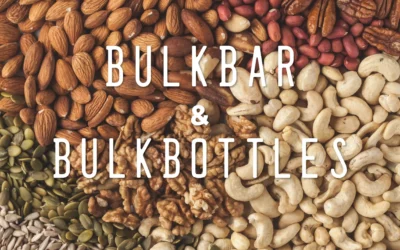
This is precisely where BulkBar supports businesses. BulkBar offers zero-packaging snack solutions that combine aesthetics, simplicity and sustainability. Its dried fruit and cereal dispensers provide a clean and efficient way to distribute healthy snacks. As a committed company, BulkBar helps organizations transition toward a more eco-friendly office environment.
Nutrition at work: why are HR teams betting on healthy alternatives?
Human resources managers are increasingly integrating nutrition into their annual action plans. The connection between diet, sleep and stress management is now widely documented by health organizations. Poor workplace lifestyle habits can generate significant hidden costs for employers. Presenteeism, where employees are physically present but mentally ineffective, is often linked to nutritional fatigue.
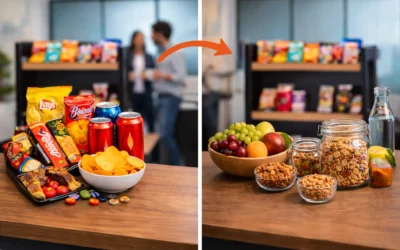
By making healthy snacks more accessible, companies help employees make better choices. It becomes easier to resist industrial pastries when granola mixes and dried fruits are readily available. This preventive approach contributes to the long-term overall health of teams. As highlighted by the World Health Organization, healthy nutrition is a fundamental pillar of workplace well-being. Investing in high-quality free food therefore becomes a proactive way to manage psychosocial risks.
Responsible free food: the future of workplace well-being
Free food is no longer a passing trend. It reflects a deep transformation in our relationship with work. Offices must become pleasant destinations where people take care of themselves as much as they care for clients. Aligning employees’ physiological needs with sustainability goals is now entirely possible. Companies that sincerely integrate these dimensions will strengthen their attractiveness and resilience over the long term.
Published on 15/05/2026