Sustainability is now at the heart of corporate strategy. Whether you’re based in Paris, Belgium or Luxembourg, the climate crisis demands action. It’s no longer just about sorting paper or plastic. We need to rethink the way we consume at work from the ground up. The 5 R’s rule offers a clear and effective methodology to do just that. This priority pyramid helps every employee dramatically reduce their environmental footprint.
Refuse what we don’t need
The first step towards a zero-waste workplace is learning to say no. On a daily basis, the office is full of unnecessary temptations. It often starts with promotional items handed out at trade shows. Those pens and notebooks typically end up gathering dust in a drawer. Refusing them sends a strong message to suppliers and partners alike. It signals that your company values quality and purpose over quantity.
This principle also applies to food and standard office supplies. By refusing the superfluous, you prevent waste from being created in the first place. It’s the most effective step for protecting our planet in the long run. It simply requires a shift in awareness, both individually and collectively across teams.

Reduce: embracing sobriety in everyday work life
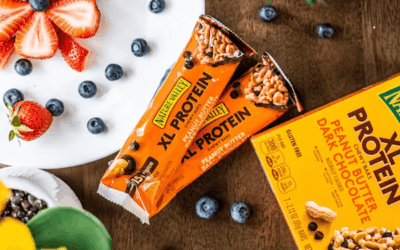
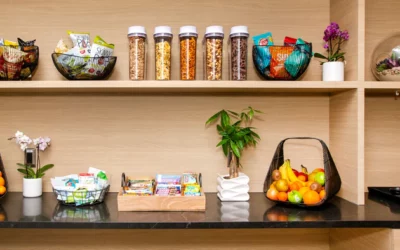
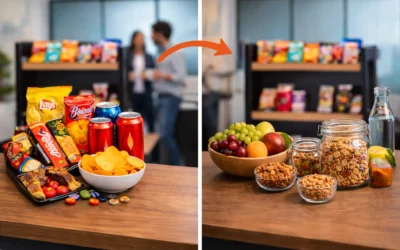
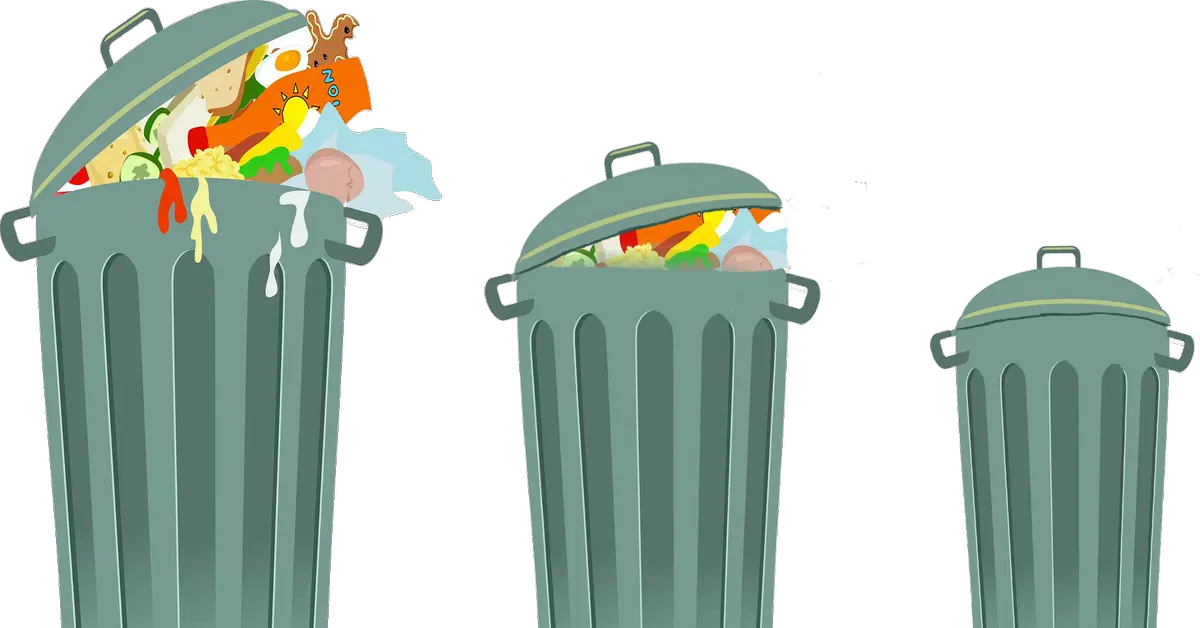
The second R invites us to limit our consumption to what is strictly necessary. In the office, this mainly concerns stock management and energy use. Reducing can mean cutting down on printing to an absolute minimum. It also means being more mindful about the food consumed at work. Choosing bulk snacks avoids individual packaging and other small-scale waste. Reducing consumption is common sense, and it often comes with financial benefits too.
Digital sobriety is also a major lever for corporate social responsibility. Deleting unnecessary emails or limiting cloud storage reduces invisible pollution. A company can significantly lighten its carbon footprint this way. Cutting back on overall consumption is an act of respect towards finite resources. It also fosters a calmer, cleaner working environment that supports focus and productivity.
Reuse: giving resources a second life
Reusing means moving away from a throwaway culture and stepping into the circular economy. This principle applies at every level of workplace design and organisation. Why buy new furniture when second-hand offers sustainable and stylish alternatives? Many platforms today make it possible to furnish offices both ethically and attractively (for example: Relieve Furniture). This approach values craftsmanship and reduces the need to extract new raw materials.
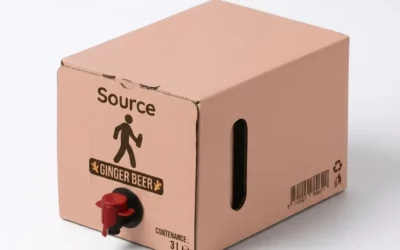
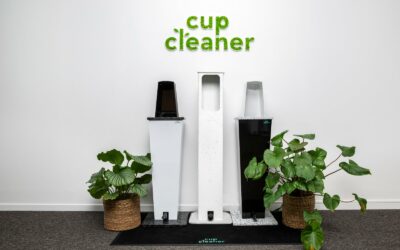
In the office kitchen, replacing disposable cups with reusable mugs is a classic starting point. You can go further by repurposing glass containers for storage. Reusing turns what could have been waste into something genuinely useful. To explore the wider benefits of the circular economy, visit the Ellen MacArthur Foundation website.
Recycle: the last resort once all other options are exhausted
Contrary to popular belief, recycling should not be the go-to solution. It is an industrial process that consumes significant energy and is often technically imperfect. That said, it remains essential for materials that cannot be refused or reused. Paper, glass and certain metals are now recycled fairly effectively. To make it work, clear signage and well-organised sorting stations in the workplace are a must.
A good sorting system at the office improves employee well-being by giving staff a concrete role to play. It provides a real sense of agency in the face of global environmental challenges. It’s worth familiarising yourself with the specific sorting rules in your region. Guidelines can differ between France, Belgium and Luxembourg. Accurate information helps prevent contamination of recycling bins through sorting errors.
Return to the earth: composting organic waste
The final R is about composting, something often overlooked in professional settings. Yet organic waste makes up a significant share of office bin contents. Coffee grounds, food leftovers and fruit peel can all go back to the soil. Setting up a compost bin or arranging a specialist collection service is a straightforward and impactful step. It closes the loop in a natural and fertile way.
This approach fits perfectly into a broader vision of sustainability and workplace well-being. It raises employee awareness of the value of living, natural matter. The compost produced can even be used to feed the plants in your workspace. It’s a perfect example of a virtuous and educational cycle for the whole company. To learn more about the importance of soil health, visit the FAO‘s soil resources portal.

Putting the 5 R’s into practice in your snacking strategy
Applying this pyramid to your snack offering is an excellent place to start. At BulkBar, we help companies bring these sustainability principles to life. Our dried fruit dispensers eliminate the need for individual disposable bags. This makes it possible to drastically cut plastic waste while offering a healthy snack option. We champion bulk solutions so that every break aligns with your CSR values. By choosing raw cereals or nuts, you’re opting for nutritional simplicity.
This approach gives your teams sustained energy without any ecological compromise. Workplace well-being also comes from the pride of consuming responsibly. Our solutions integrate seamlessly into your work environment to ease this necessary transition. They meet the expectations of employees who are looking for eco-responsible alternatives in their everyday lives.
A collective commitment to a sustainable future
The 5 R’s rule is far more than a simple checklist of green tips. It represents a paradigm shift that redefines our relationship with consumption. By embracing these principles, your company becomes an agent of positive change. You strengthen your employer brand while building a strong internal culture. Sustainability then becomes a driver of performance and purpose for everyone.
Published on 22/06/2026