Novak Djokovic is now considered one of the greatest tennis champions of all time. But before reaching that level, he was long an inconsistent player, capable of dominating a match one moment and collapsing physically the next. What changed the course of his career wasn’t just training. His diet also played a major role. This article looks back at his eating habits and the lessons companies can draw from them to improve nutrition in the workplace.
The turning point: a gluten-free diet in 2010
Before 2010, Djokovic often retired mid-match, overwhelmed by fatigue and breathing problems. During a quarter-final in Melbourne in 2010, he recalled: “I couldn’t breathe anymore. Something rose in my throat”, before having to leave the court mid-match.
The turning point came from a nutritionist, Dr. Igor Četojević, who suggested he try a gluten-free diet for two weeks. The effect was immediate: he felt lighter, more energetic, and slept better. When he reintroduced a simple bagel as a test, the opposite reaction was just as striking – sudden fatigue and heaviness returned right away.
Within a year, Djokovic lost nearly 5 kg and gained energy. He went on to win a string of Grand Slam titles starting in 2011, the year his career truly took off.
It’s worth noting that a gluten-free diet hasn’t been shown to have a direct effect on athletic performance – the scientific evidence on this point remains insufficient. What Djokovic’s example really demonstrates is the impact that a more structured, less processed, whole-food-based diet can have on daily energy and focus, gluten or not.
What Djokovic’s everyday diet looks like
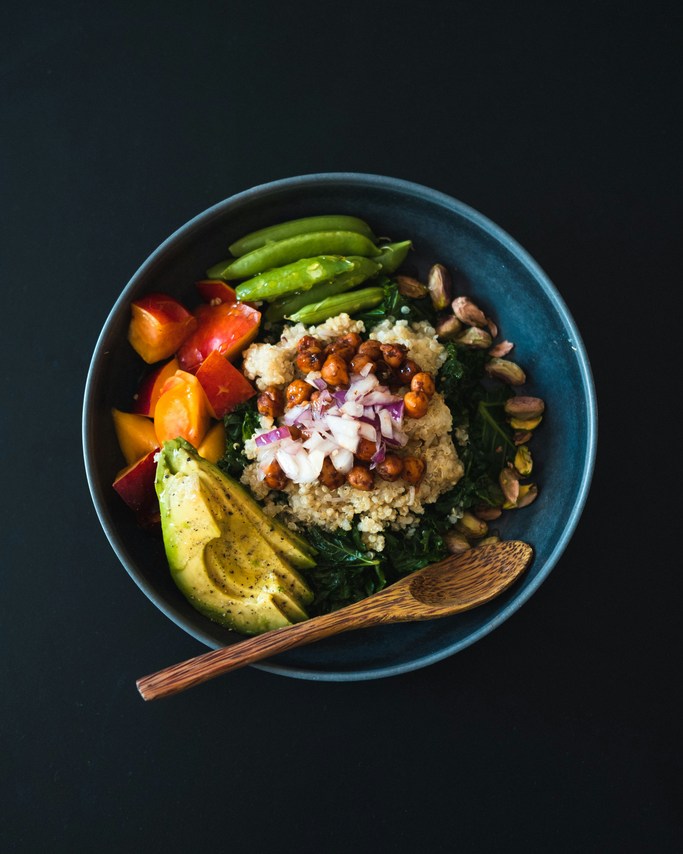
In practice, Djokovic’s diet is built around avoiding gluten and dairy, and cutting sugar as much as possible. His meals center on vegetables, legumes, fruit, nuts, and seeds. He also eats chickpeas, lentils, healthy oils, and occasionally fish.
His diet is highly structured: he favours organic products whenever possible and cooks most of his own meals himself, even while travelling, when he systematically looks for hotels with a kitchen.
This is an interesting point for anyone who wants to eat better without following a high-performance athlete’s regimen. The foundation of his diet — legumes, fruit, nuts, and seeds — is neither exotic nor expensive. These are simple foods, rich in fibre and good nutrients, that anyone can easily work into their daily routine, including at the office.
What Djokovic snacks on during a match
This detail is particularly relevant when thinking about our own snacking habits at work. During a match, Djokovic doesn’t eat chocolate bars or drink typical sugary beverages. Instead, he eats dried fruit, such as dates, with one or two teaspoons of honey.
Before exertion, his go-to snacks are just as simple: homemade hummus with raw vegetables, or gluten-free bread with almond butter. The idea is straightforward: avoid processed sugar, which causes sharp blood sugar swings and the resulting dips in energy and focus, in favour of natural sugars that release more gradually.
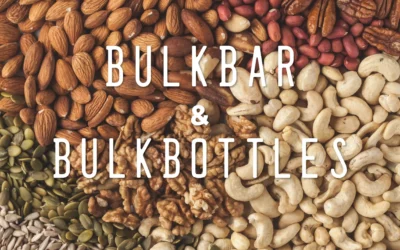
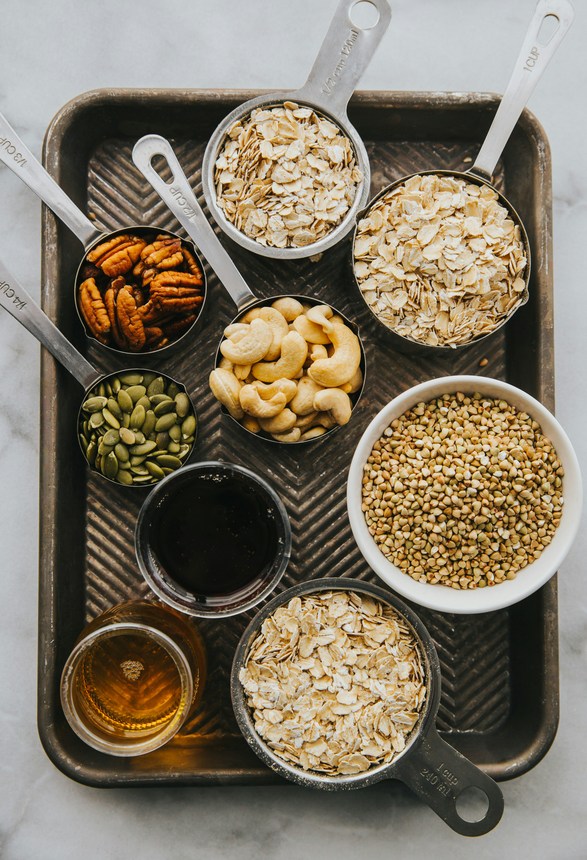
This type of snack — dried fruit, nuts and seeds, with no added sugar — can also fit naturally into a bulk healthy snacking offer for businesses. These snacks provide steady, readily available energy, without the spike and crash that come with processed snacks.

Discipline around the meal, not just its content
What truly sets Djokovic apart isn’t just what he eats, but how he eats. He takes time to eat slowly, without television, phone, or computer. He also says a short prayer before every meal, so as never to take food for granted.
This discipline extends to his daily routine. He wakes up at 7am and goes to bed between 11pm and midnight. He also does 20 minutes of yoga or tai chi in the morning, followed by training, stretching, and massage. In the afternoon, he deliberately avoids sugar and certain carbohydrates ahead of another physical session.
Another notable feature of his eating habits: Djokovic practises intermittent fasting. In 2020, he explained that he tries to go around 16 hours without any significant calorie intake or food that requires a lot of energy to digest — a window that includes overnight hours. He links this practice to autophagy, a process from which he expects benefits that reflect his personal beliefs and don’t necessarily apply to everyone. The takeaway here isn’t the fasting itself, but the attention paid to meal timing: choosing when and what to eat, rather than eating by default. To learn more on this topic, read our article on intermittent fasting at work.
This level of control over both the timing and the content of meals is hard to replicate in an office setting, where snacking often depends on what’s in the vending machine or the break room. But whether or not you fast, what you eat during the day deserves to be a choice, not a default.
What companies can take away from this
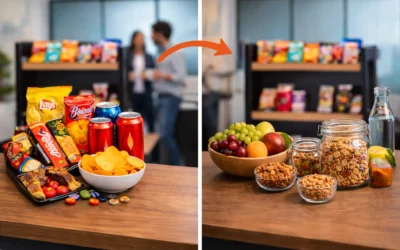
Nobody is asking your employees to follow the diet of an elite athlete. But the underlying principle carries over to the office: favour whole, minimally processed, nutrient-dense snacks over vending machines full of sweets or leftover pastries.
That’s exactly the thinking behind BulkBar’s bulk healthy snacking offer — giving teams easy access to snacks that echo the foundations of Djokovic’s diet, with no effort or constraints, right there in the workplace.
Conclusion
Athletic performance and workplace performance share some of the same fundamentals: stable energy throughout the day, fewer sugar spikes followed by fatigue, and food that’s chosen deliberately rather than left to chance.
The Serbian champion turned this into a competitive edge. Companies can turn it into a lever for their teams’ well-being and productivity.
Published on 28/09/2026